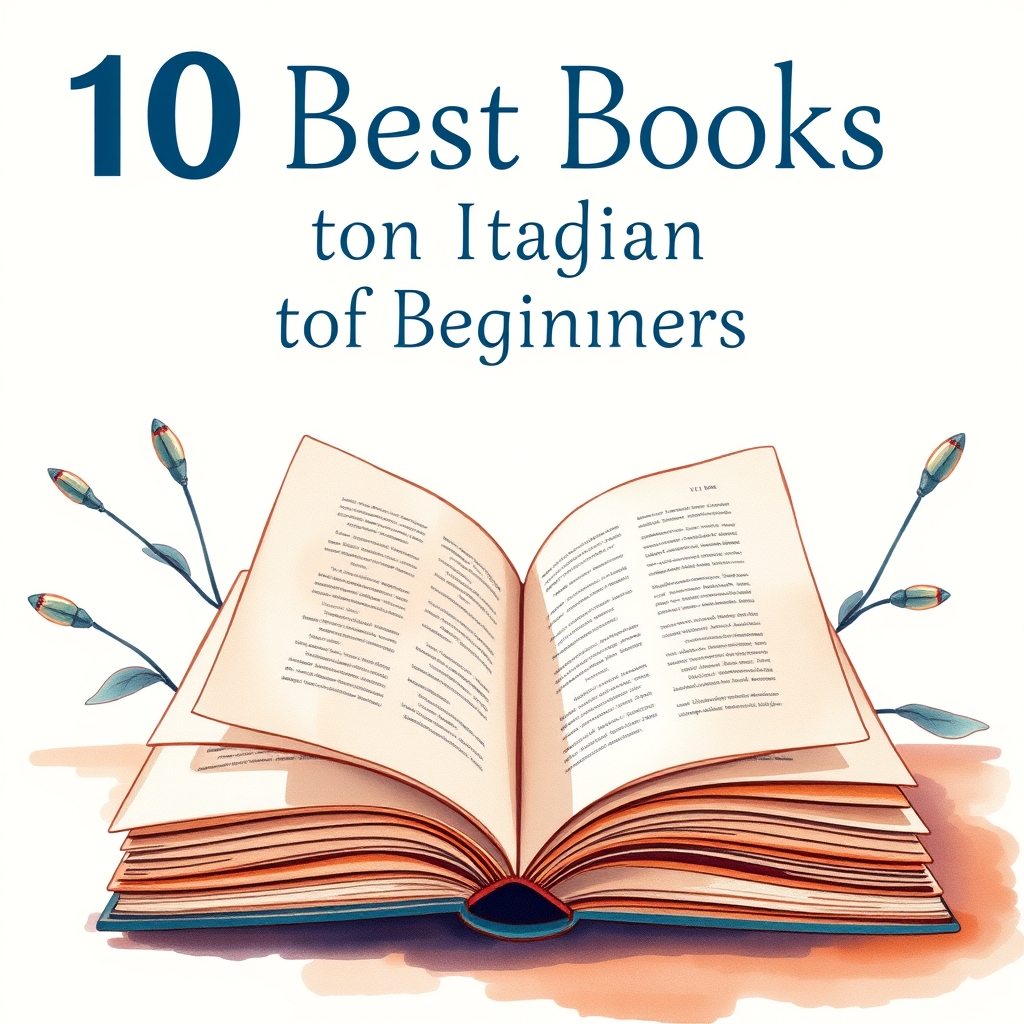
10 Best Books to Learn Italian for Beginners in 2026
Why Learning Italian with Books Matters
In today's digital age, it's easy to get caught up in language learning apps and online courses. However, when it comes to learning Italian, there's no substitute for curling up with a good book. Research has shown that reading is one of the most effective ways to improve language skills, from vocabulary to grammar (Krashen, 2004). As a beginner, diving into Italian literature can seem daunting, but with the right books, you'll be well on your way to becoming a proficient Italian speaker.
The Benefits of Learning Italian with Books
Improved Vocabulary
Reading Italian books exposes you to a wide range of vocabulary in context, helping you to learn new words and phrases more effectively. According to a study by Nation and Waring (1997), learners who read extensively tend to have a larger vocabulary than those who don't.
Enhanced Grammar Understanding
Italian grammar can be complex, but reading books helps you see grammar rules in action. By observing how native speakers use grammar in context, you'll gain a deeper understanding of the language.
Cultural Insights
Italian literature offers a unique window into the country's culture, history, and customs. Through books, you'll gain a deeper appreciation for the nuances of Italian culture, from food to traditions.
Top 10 Italian Books for Beginners
Here are our top picks for Italian books that are perfect for beginners:
- "Il Postino" by Antonio Skármeta: A beautifully written novel about love, loss, and the power of poetry.
- "Il Nome della Rosa" by Umberto Eco: A historical mystery that's engaging and entertaining.
- "L'amica Geniale" by Elena Ferrante: A captivating novel about friendship and coming-of-age.
- "Il Giardino dei Finzi-Contini" by Giorgio Bassani: A classic novel about love, family, and social status.
- "La Bella Vita" by Silvia Avallone: A heartwarming novel about family, love, and the Italian way of life.
- "I Promessi Sposi" by Alessandro Manzoni: A classic Italian novel about love, family, and social class.
- "Il Cuore della Vita" by Laura Iuorio: A beautifully written novel about love, loss, and self-discovery.
- "La Famiglia" by Carmine Abate: A heartwarming novel about family, love, and the Italian way of life.
- "Il Mio Nome è Nessuno" by Enrico Brizzi: A captivating novel about identity, family, and social status.
- "L'Amore ai Tempi del Colera" by Gabriel García Márquez: A beautifully written novel about love, loss, and the human condition.
Tips for Reading Italian Books as a Beginner
Start with Simplified Texts
Begin with books that have simplified language, such as graded readers or books for young adults.
Use a Dictionary
Keep a dictionary handy to look up unfamiliar words and phrases.
Take Your Time
Don't rush through the text. Take your time to read, re-read, and absorb the language.
Common Mistakes to Avoid
Not Practicing Regularly
Consistency is key when it comes to language learning. Make sure to set aside time each day to practice reading.
Not Using Authentic Materials
While textbooks can be helpful, authentic materials like books, articles, and news will give you a more realistic understanding of the language.
Not Seeking Feedback
Join a language exchange or find a tutor to get feedback on your pronunciation, grammar, and vocabulary.
Getting Started with Italian Books
If you're new to reading Italian books, we recommend starting with Volpora, an AI-powered reading-based language learning app that offers a range of Italian texts with interactive features and exercises.
Conclusion
Learning Italian with books is a rewarding and effective way to improve your language skills. With the right materials and a consistent practice routine, you'll be well on your way to becoming a proficient Italian speaker. Remember to start with simplified texts, use a dictionary, and take your time. Don't be afraid to make mistakes – they're an essential part of the learning process. Buona lettura!
References:
Krashen, S. (2004). The Power of Reading. Heinemann.
Nation, P., & Waring, R. (1997). Vocabulary size and use. In J. C. Richards & W. A. Renandya (Eds.), Methodology in language teaching (pp. 81-91). Cambridge University Press.
Ready to read your way to fluency?
Download Volpora and start reading in your target language — one word at a time.